Christmas Holly Machine Embroidery Design Review
When a customer asks for a Christmas order, the first search is always for a design that reads as festive without feeling generic. I recently tested Christmas Holly from Creative Fabrica for a series of holiday products, and I want to share how it performed in real commercial embroidery work. This is not a quick glance review. I stitched it on multiple substrates, examined density, checked thread contrast, and evaluated whether this embroidery file earns a place in a working designer's library.
First Impressions of Christmas Holly
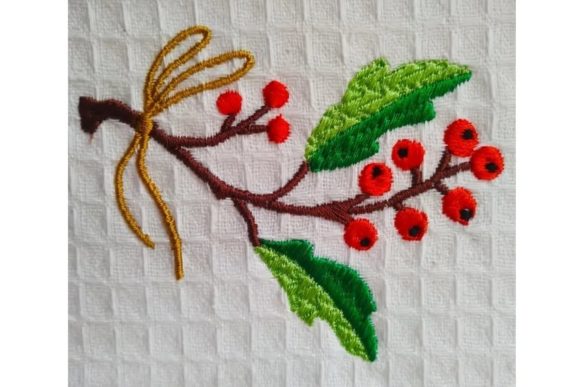
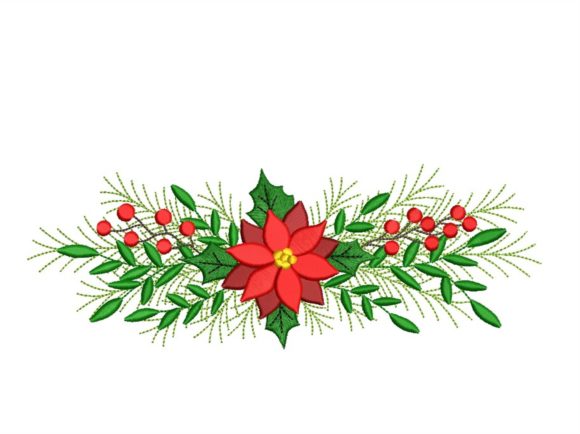
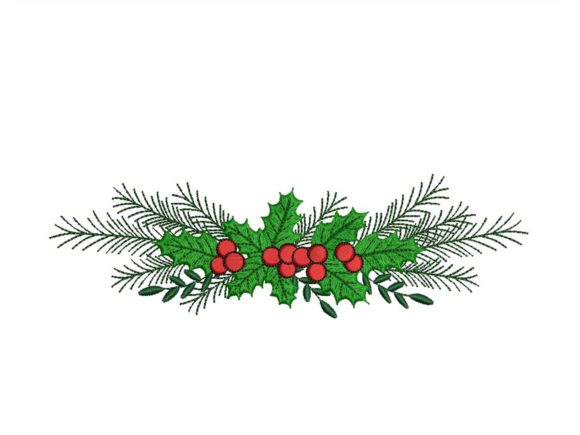
The design presents a classic holly motif with clean berry clusters and pointed leaves. The visual mood is traditional but not stiff. The detail level sits in a sweet spot: enough shaping in the leaves to catch the eye, but not so dense that it becomes a stabilizer nightmare. The stitching personality leans toward decorative elegance rather than cartoon illustration. It fits pillow covers, table linens, and Christmas jumpers exactly as described, but I also saw potential for tote bag designs, kitchen towels, and even baby blanket corners.
What struck me first was the balance. The holly sprigs are arranged in a way that works as a standalone motif or as a repeat element. For an embroidered patch on a cap or a sweatshirt design, the scale feels intentional. The berries are small enough to read as realistic but large enough to avoid thread break frustration. That tells me the digitizer understood real stitching behavior.
Performance on Custom Apparel and Handmade Products
I ran Christmas Holly through several production scenarios that reflect what most small business owners and Etsy sellers encounter.
Tote Bags and Sweatshirts
On medium-weight cotton tote bags, the design held its shape well. The fill stitch areas in the leaves laid down smoothly with no tunneling. I used a medium-weight cutaway stabilizer and a 75/11 needle. The berries stitched cleanly as satin stitch elements. On a fleece sweatshirt, I added a layer of tearaway on top to prevent the nap from swallowing the details. The holly still read clearly after washing. For a sweatshirt embroidery project, this design offers enough visual weight to justify a retail price point that supports custom apparel pricing.
Caps and Curved Surfaces
Cap embroidery is where many designs fail. Dense stitch areas pucker on curved surfaces, and small details get lost in the foam structure. I tested Christmas Holly on a structured baseball cap front panel. The berry clusters required careful hooping, but the overall composition adapted well. The leaves have enough open space that the cap's curve did not distort the motif. I would recommend reducing the design by no more than ten percent for cap placement and using a firm cutaway stabilizer with a cap frame.
Kitchen Towels and Aprons
For kitchen towels, frequent washing is the real test. I stitched the holly design on a linen-cotton blend towel. The stitch density is moderate enough that the fabric did not gap around the edges. After three hot water washes, there was no pull or distortion. The design also worked well on a canvas apron. The holly placement near the chest pocket gave the apron a boutique feel that photographs beautifully for Etsy listings. If you sell homemade gifts or craft fair products, this design adds perceived value without overcomplicating your production line.
Baby Blankets and Nursery Decor
I tested a small hoop version of Christmas Holly on a flannel baby blanket corner. The design scale works for a 4x4 hoop at reduced size. The leaf details remained crisp. For a holiday themed nursery item, this design offers a gender neutral motif that parents appreciate. The berries add a pop of color without being overwhelming. I used a lightweight stabilizer and a 60 weight bobbin thread to avoid show through on the back of the blanket.
Practical Embroidery Notes from Actual Use
Before you commit to a production run, a few observations from the test stitching process matter more than any aesthetic praise.
- Test on scrap fabric first. The design reacts differently on stretchy knits versus woven cottons. I ran a sample on a interlock knit sweatshirt and had to adjust tension slightly. On woven linen, it stitched perfectly with default settings.
- Check thread color contrast. Dark green on dark fabric loses the leaf separation. I tested a mockup on navy and the berries helped define the shape, but the leaves merged. Use a lighter green or a metallic thread for dark fabric projects.
- Review stitch density per element. The leaves use a fill stitch that is not overly dense, which helps with fabric stability. The berries use satin stitch. If you are stitching on a very thick towel, consider a water soluble stabilizer topper to keep the satin from sinking.
- Confirm hoop size before downloading. The product page lists recommended hoop sizes for Christmas Holly. I tested in a 5x7 hoop and also resized for a 4x4. At the smaller size, the berries become very small. If your machine struggles with tiny satin stitches, stay with the larger hoop version.
- Compare light and dark fabric mockups. I stitched the same design on white, red, and dark green fabric. The holly reads best on red or white backgrounds. On dark green, the leaves disappear. If your customer wants a green sweatshirt, consider stitching the holly in a gold or white thread combination.
- Use proper stabilizer. For most projects, a medium weight cutaway stabilizer gave the best results. For kitchen towels, a tearaway with a mesh topper worked. For caps, firm cutaway is non negotiable.
- Inspect small details after stitching. The berry highlights are small and can pull if the tension is off. I checked each stitch out with a lint roller and a bright light before declaring the sample complete.
Product Value and Buyer Trust for Handmade Sellers
For Etsy sellers and small business owners, the choice of machine embroidery design directly affects customer perception. A well digitized design like Christmas Holly helps your finished product look professional. The clean stitching translates to better product photography. When you list a tote bag or a personalized gift with this design, the photos will show crisp lines and even fill stitching. That builds buyer trust.
I also considered how this design fits into a broader product line. The holly motif is traditional enough for classic Christmas decor but refined enough for modern handmade shops. It works as a standalone element on a pillow cover or as part of a larger arrangement on a tablecloth. For craft fair products, having a design that stitches quickly and reliably means you can produce more units without sacrificing quality.
Giftability is another factor. Customers buying hand embroidered items expect a finish that looks intentional. A design with uneven density or thread breaks undermines that expectation. Christmas Holly performed consistently across multiple fabric types, which means you can offer the same design on a sweatshirt, a tote bag, and a kitchen towel with confidence. That consistency is what separates a hobby production from a commercial embroidery operation.
Commercial Embroidery and Production Considerations
If you run a commercial embroidery shop or sell digital products, the questions shift from "does it stitch well" to "how does this design affect my workflow." I found Christmas Holly to be efficient. The stitch count is reasonable for the visual output. The color changes are logical and do not require excessive trimming. For production runs of twenty or more pieces, that matters.
The design also works as a patch. I stitched it on twill with a hot fix backing and cut around the leaves. The outer edge of the leaves provides a natural cutting line. The berries are close enough to the leaf tips that a patch cutter can follow the contour without losing shape. For sellers who offer embroidered patches for caps or jackets, this design is a strong addition to a holiday patch lineup.
For those using printable mockups in their online shops, the visual clarity of Christmas Holly means your digital mockups will look convincing. The design has enough structure to read well in a flat lay photo or a rendered mockup. That helps with Etsy SEO because clear images lead to longer browse times and higher conversion rates.
Licensing and File Details
Before you sell finished products using this embroidery file, confirm the license terms on the Creative Fabrica product page. The description specifies use on decorative pillows, table cloths, bedsheets, towels, and Christmas jumpers. For commercial use, verify whether the license covers unlimited sales of finished handmade items or if there are restrictions. File formats and machine compatibility should also be confirmed on the product page before purchase. I always recommend downloading a sample file and testing it in your embroidery software before committing to a large project.
Final Thoughts on Christmas Holly for Real Projects
After testing Christmas Holly across multiple substrates, I can recommend it for embroidery designers and small business owners who need a reliable holiday motif. It performs well on tote bags, sweatshirts, kitchen towels, pillow covers, caps, and baby blankets. The design work is clean, the density is manageable, and the visual appeal supports premium pricing. For Etsy sellers, craft fair vendors, and boutique owners, this design offers a dependable foundation for seasonal product lines. Download the file, run a test on your own fabric, and decide if the scale and detail match your customer base.