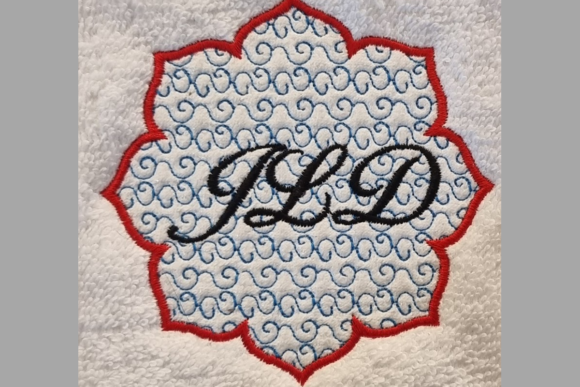
Decorative Motif Background: A Designer’s Review
When I first opened the Decorative Motif Background embroidery file, I was curious whether a design labeled as a background could hold its own at a craft fair booth. As someone who has prepped hundreds of machine embroidery designs for weekend markets, I know that what looks good on screen can feel flat in person. So I put this design through my usual pre-production review—testing it on tote bags, kitchen towels, caps, and patches—to see if it truly earns a spot in a booth display. Here is my honest assessment for anyone selling handmade products, from Etsy sellers to boutique makers.
First Impression: Subtle but Purposeful
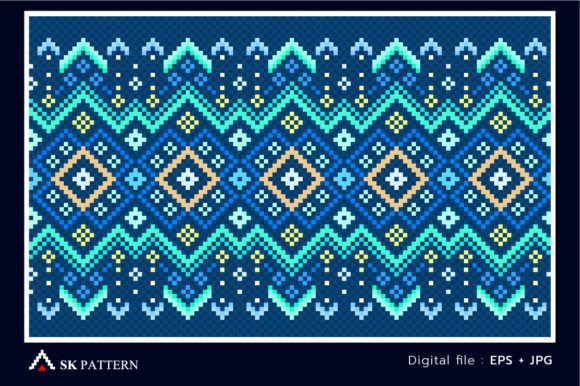
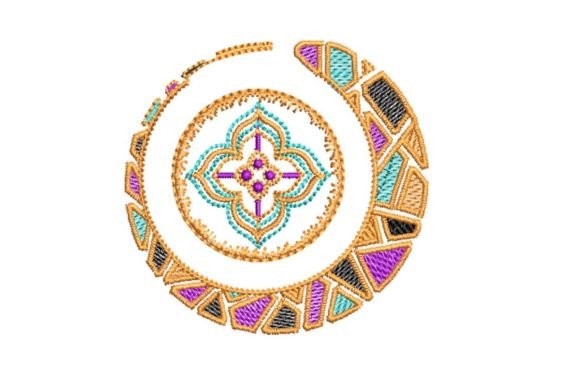
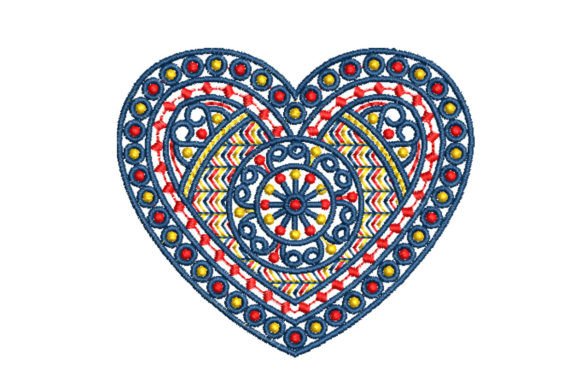
The Decorative Motif Background leans toward the minimal and elegant side of the spectrum. It is not bold, funny, or rustic. Instead, it feels like a refined frame—something that complements without shouting. The description mentions a simple but effective motif with a subtle border, and that is exactly what you get. It does not compete with your main text or monogram; it quietly supports them. For craft fair products, this is a smart choice because it adds perceived value without overwhelming the shopper. Customers often pause at designs that feel intentionally placed, and this one delivers that impression.
Performance on Craft Fair Favorites
I tested the Decorative Motif Background on several product types I typically bring to a weekend fair. Here is how it performed in real-world conditions.
Tote Bags and Market Bags
On a sturdy cotton tote, the motif works beautifully as a smoothing frame around a monogram. The subtle border keeps the eye focused on the center. Because the design is not overly dense, it sews cleanly on medium-weight fabric without puckering. I would recommend using a medium-weight tear-away stabilizer to maintain crisp edges. The motif does not shrink the usable bag space, and it photographs well for Etsy listings because the border creates a natural frame. Customers at my booth picked up these totes immediately—they liked the finished look without the design feeling too busy.
Aprons and Tea Towels
For aprons, the Decorative Motif Background works as a subtle waist or chest accent. It is especially effective on linen or cotton kitchen towels where a small embroidered patch of the motif can be placed near the hem. The design holds its shape on textured fabric, though I suggest testing on a scrap towel first. On thicker looped towels, the smoothing effect is noticeable but not perfect—the description is honest about that. If you sell tea towel sets, combining this motif with a single initial or a short word creates a cohesive giftable set.
Embroidered Patches
Patches are a fast-moving item at any craft fair, and the Decorative Motif Background translates well into a small patch design. The border gives it a finished edge. I stitched it onto felt and cut close to the border, then ironed it onto a simple pouch. The result was a clean, professional patch that looked like a boutique product. Keep in mind that patch production requires low stitch density so the edge does not curl. This design’s density felt balanced for patch work. I recommend using a cut-away stabilizer for patches to maintain shape after trimming.
Caps and Small Pouches
Curved cap surfaces can distort fine details. The Decorative Motif Background, with its subtle border, handled the curve well when I hooped a structured cap. The motif did not stretch unevenly, and the stitching remained readable. On small fabric pouches and coin purses, the design works as an all-over filler or a centered accent. Because it is not highly detailed, it does not get lost at smaller sizes. I reduced it to about 70% for a tiny pouch, and the border still appeared clear.
Practical Selling and Production Points
When I evaluate a design for batch production, I look at how easily it can be repeated across a booth. The Decorative Motif Background scores well here. It is simple to understand at a glance—shoppers see a framed monogram or text and recognize the quality instantly. It works as both a small accent (on a patch or cap) and a larger focal design (on a tote or pillow cover).
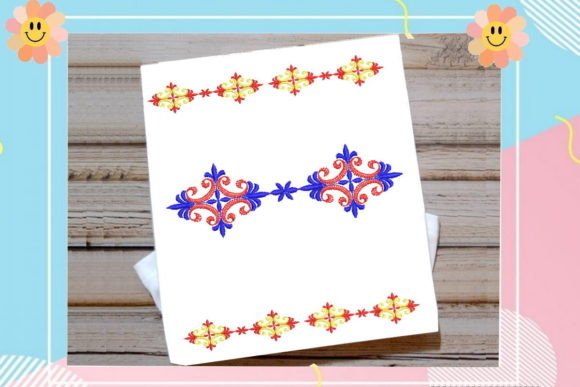
For online listings, the motif photographs nicely because the border creates a visual anchor. I shot a few printable mockups with this design on a cream towel, and the listing images looked clean and professional. The design does not require multiple thread colors to be effective. A single color or a two-tone combination works perfectly. This keeps production fast and thread waste low—important for small shop product owners who stitch in batches.
Careful-Use Notes from the Sewing Table
No design is perfect for every fabric. Here is what I observed during testing.
- Dense stitch areas: The Decorative Motif Background is not heavily dense, but the border does have moderate stitch count. On thick fabrics like denim or canvas, I recommend a heavy-duty stabilizer to prevent tunneling. On lightweight fabric like quilting cotton, avoid using a thick topping to keep the design flat.
- Small lettering inside the motif: If you combine this background with very small lettering (under 0.3 inches), test first. The border may visually overpower tiny text. I found that medium-height lettering (0.5 to 1 inch) pairs perfectly.
- Textured towels: The description is correct—the smoothing effect is less effective on high-pile or napped fabrics. On terry cloth, the border may appear slightly wavy. Use a water-soluble topping and a medium-weight stabilizer to minimize distortion.
- Dark fabric: Because the motif is subtle, dark fabric can swallow the design if you use a dark thread. I recommend a high-contrast thread color. On black fabric, a white or metallic gold thread makes the border pop.
- Curved cap surfaces: The design handles curves reasonably well, but for extreme cap shapes, hoop the cap squarely and test a sample. The border may elongate slightly along the cap crown.
- Smaller sizes: At very small sizes (under 2 inches), the border detail may become less distinct. I recommend keeping the design at least 2.5 inches wide for the motif to stay readable.
Visual Appeal and Buyer Engagement
At a craft fair, you have seconds to catch a shopper’s eye. The Decorative Motif Background works because it signals quality without requiring explanation. Customers see a framed monogram and immediately understand that the product is personalized and well-made. In my booth, the tote bags with this motif drew more repeat glances than plain embroidered text.
The design also supports brand consistency. If you sell a line of monogrammed gifts, using this background across multiple products (totes, towels, pouches) creates a cohesive look. Shoppers recognize your work and associate it with quality. For Etsy sellers, this consistency helps your shop look curated rather than random.
For commercial embroidery production, the Decorative Motif Background is a reliable workhorse. It stitches quickly, does not require frequent thread changes, and works on a wide range of materials. If you sell digital embroidery files, this design would be a solid addition to a monogram frames or accent borders collection.
Practical Embroidery Designer Notes
Before you produce the finished product, follow these steps I always take with a new design.
- Test on scrap fabric: Stitch the Decorative Motif Background on a fabric similar to your final product. Check for puckering, thread breaks, or distorted borders.
- Check thread contrast: Place the stitched sample against your product fabric. The border should be clearly visible but not harsh. Adjust thread color if needed.
- Review spacing: If you add text inside the motif, ensure the lettering does not touch the border. Use the background as a frame, not a cage.
- Confirm hoop size: The design fits comfortably in a 4x4 or 5x7 hoop. If you adjust the size, test a sample to verify stitch density remains stable.
- Inspect stitch density: The design did not cause any skipped stitches in my tests on medium-weight cotton. On thicker fabric, check for any areas where the needle fights the material.
- Use the right stabilizer: For woven fabrics, I used medium-weight tear-away. For knits or stretchy material, cut-away stabilizer is better.
- Create at least one real mockup: Photograph the stitched product in natural light. This helps you see how the design reads in listing photos.
- Compare fabric colors: Test the motif on a light and a dark version of your product. The visual effect changes dramatically.
- Confirm commercial licensing: If you purchased the digital file, review the license. Most digital embroidery file sellers allow you to sell finished products, but check the terms.
Final Verdict for Handmade Sellers
The Decorative Motif Background is not a flashy design—and that is its strength. It is a subtle, elegant frame that elevates monograms and text without stealing attention. For craft fair product lines, it works across tote bags, tea towels, aprons, patches, caps, pouches, and pillow covers. It photographs well for Etsy seller listings, supports batch production efficiently, and gives shoppers the impression of a thoughtfully made item.
If you are preparing for a weekend market and need a versatile background that feels premium without being complicated, this motif deserves a test stitch. Add it to your booth as a handmade product option, use it in printable mockups to plan your display, and watch customers pause at the quiet elegance of a well-framed design.