Decorative Multicolored Circles: A Hands-On Design Review
When I first opened the Decorative Multicolored Circles embroidery file, I wasn't sure what to expect. The name is straightforward, but the real question for any designer or small shop owner is always the same: how will this actually look after stitching, and will it sell? After running it through a few test projects, I have a clear picture of where this design belongs, where it struggles, and how to get the best results.
First Impressions: Mood, Shape, and Visual Personality
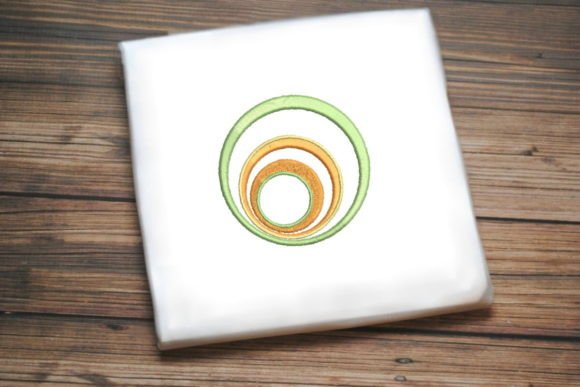
The mood of Decorative Multicolored Circles is playful yet polished. The circles are arranged in a way that feels balanced without being rigid. It has a modern, slightly whimsical character that leans toward cheerful rather than formal. If you are building a collection of machine embroidery design options for a boutique or craft fair booth, this one brings a light, friendly energy that customers often respond to.
The shape theme is obviously circular, but the layout avoids monotony. There is enough variation in size and spacing to keep the eye moving. The visual personality sits somewhere between abstract art and a repeating pattern. That makes it adaptable for different product categories without feeling tied to any single trend. It is not overly detailed, which is often a strength for commercial embroidery where stitch time and production speed matter.
Testing It on a Real Project: The Custom Tote Bag
I decided to stitch Decorative Multicolored Circles onto a mid-weight canvas tote bag for a client who wanted something unique but not too loud. The fabric was a natural cream color, which gave the multicolored thread a chance to pop without competing with a dark background. I used a tear-away stabilizer and hooped the fabric snugly to avoid any shifting during the satin stitch and fill stitch sections.
The design stitched out cleanly on the first try. The stitch density felt reasonable, and the color changes were spaced well enough that I didn't have to babysit the machine. The circles came out crisp, and the thread transitions looked smooth. I would note that the design uses multiple thread colors, so you will want to plan your thread changes ahead. For a production run of ten totes, that is manageable, but for a single custom order, it adds a bit of setup time.
After finishing, I placed the tote on a display shelf and let it sit for a day. The visual impression grew on me. The circles read as decorative accents rather than a central motif, which gives the bag a subtle, artistic feel. A customer looking for a personalized gift or a boutique tote bag would likely find it appealing. The design does not scream for attention, but it invites closer inspection.
Best Applications for This Embroidery Design
Based on my testing, here is where Decorative Multicolored Circles performs best:
- Custom apparel – Sweatshirts and t-shirts with a relaxed fit work well. The circles add a modern accent without overwhelming the garment shape.
- Tote bag design – Canvas and cotton totes benefit from the multicolor effect. It elevates a simple bag into a handmade product with boutique appeal.
- Baby embroidery – On soft onesies or receiving blankets, the playful circles feel gentle and cheerful. Just be mindful of stitch density on delicate fabrics.
- Embroidered patch – The design could be isolated into a smaller patch format for caps or jackets. The circular theme naturally suits patch shapes.
- Holiday embroidery and gifts – The multicolored nature makes it easy to pair with seasonal thread palettes. It could work as a holiday gift item or a year-round boutique product.
- Small shop merchandise – If you sell digital embroidery file designs, this is a solid add to your collection. It fits the Shapes category and can be marketed to buyers who want versatile decor accents.
For Etsy sellers and craft business owners, the design works well for both finished product listings and printable mockup previews. The multicolor palette photographs well and catches the eye in thumbnails.
Where to Exercise Caution
No design is perfect for every situation, and Decorative Multicolored Circles has a few caveats worth noting:
- Small hoop sizes – If you are working with a mini hoop or tiny garment area, the circles may lose their visual impact. The design needs enough space to let the multicolor effect breathe.
- Textured or bulky fabrics – On heavy fleece, thick knits, or terry cloth, the detail can get lost. The circles rely on clean edges, and textured backgrounds blur that crispness.
- Stretchy fabric – Without proper stabilizer and hooping technique, stretchy materials can distort the circles. Test on a scrap piece first if you plan to use it on jersey or performance wear.
- Dark fabric backgrounds – The multicolor threads need contrast to shine. On black or very dark fabric, some colors may blend together. Lighter backgrounds or bright thread selections help.
- Curved surfaces like caps – The circular layout can be tricky on curved surfaces where the design cannot sit flat. Consider positioning carefully or using a smaller version.
- Frequent washing – If the finished product will be washed often, like kitchen towels or baby items, check the stitch density and use a high-quality thread to prevent fraying over time.
I would also advise reviewing the hoop size and stitch count details from the product listing before starting. If those specifics are not provided, run a quick test on scrap fabric to confirm the design fits your machine and your project.
How It Affects Product Value and Buyer Perception
From a business perspective, Decorative Multicolored Circles adds noticeable value to finished products. The multicolor approach signals care and creativity to buyers. Customers who shop for handmade products at craft fairs or on Etsy tend to appreciate designs that look intentional and well-executed. This design delivers that impression.
The design supports brand consistency if you are building a collection around modern, abstract motifs. It also has good giftability. I can imagine it on a bridal party tote, a birthday sweatshirt, or a nursery decor item. The emotional tone is warm without being sentimental, which broadens its audience.
For apparel decorators and creative entrepreneurs, the design holds up well in product photos. The circles create natural focal points, and the thread colors add dimension that cameras pick up nicely. That helps with buyer engagement on listing pages and social media previews.
Designer Notes Before You Stitch
Before you load this embroidery file into your machine, here are a few practical observations from my test:
- Test on scrap fabric first – Always. Thread colors behave differently on different materials. Confirm the look before committing to a final product.
- Check thread color contrast – The multicolor palette works best when colors sit distinct from one another. If two shades are too close, they can blur into one shape.
- Review stitch density – If the density feels high for your fabric, consider adjusting it or using a lighter stabilizer. Dense stitching on thin fabric can cause puckering.
- Inspect small details – Zoom into the design preview and look for any narrow gaps or tiny elements that might not stitch cleanly at small sizes.
- Test light and dark fabric backgrounds – The same design can look completely different against white versus navy. Run both tests to decide which version sells better.
- Use proper stabilizer – For most woven and stable knits, a medium-weight tear-away works well. For stretch fabrics, switch to a cut-away stabilizer.
- Confirm licensing – Before using this digital embroidery file for commercial embroidery or selling finished product items, check the license terms. Some designs allow unlimited commercial use, while others have restrictions.
- Think about the full product lineup – This design fits naturally into the Shapes category. If you are an Etsy seller or small shop product creator, consider bundling it with other shape-based designs for a cohesive collection.
Decorative Multicolored Circles is a solid, versatile design that rewards careful planning. It brings visual interest without overcomplicating the stitch-out. For anyone in the embroidery project space, from hobbyists to apparel decorators to digital product sellers, this is a design worth trying. Just test it first, pay attention to fabric and thread choices, and let the circles do the talking.