Lion Art Line: A Designer's Hands-On Review
When I first opened the Lion Art Line machine embroidery design, I was struck by how much personality it carries without trying too hard. The art line style gives it a hand-drawn quality that feels modern and restrained. As someone who has stitched hundreds of embroidery files for clients, small shop products, and personal projects, I have learned to spot designs that will translate well into real fabric and those that will disappoint. Lion Art Line belongs to the first group. But like any digital embroidery file, it has strengths and limitations that matter when you move from preview to production.
First Impressions and the Mood It Creates
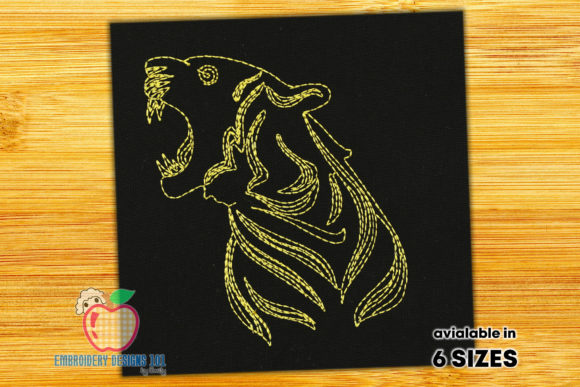
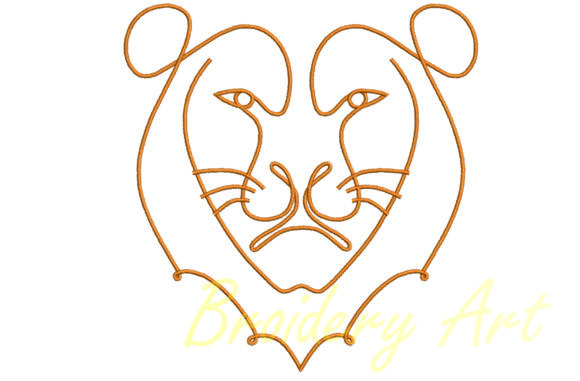
Lion Art Line reads as a confident, minimalist portrait. The art line approach uses clean contours and open space rather than dense fill stitches or layered textures. That gives the design a light, airy feel on fabric. The shape is compact and centered, which means it does not fight for attention on a garment or accessory. The mane is suggested through flowing lines rather than heavy stitch buildup, and the facial features are defined with just enough detail to be recognizable as a lion. The overall mood is calm and composed. This is not a roaring wildlife graphic. It feels more like a subtle emblem, the kind of motif that works well on a tote bag, a sweatshirt, or a nursery pillow without overwhelming the product. For a design in the Wild Animals category, it avoids the clichés of aggressive poses or overdone fur texture. That restraint is what makes it versatile for both adult and children's items.
Where Lion Art Line Shines in Real Projects
I tested this embroidery design on a medium-weight cotton canvas tote bag for a small order. The client wanted something that felt artistic but neutral enough for daily use. Lion Art Line stitched out cleanly with no distortion or thread breaks. The satin stitches and running stitches stayed within their paths, and the open areas in the mane let the fabric texture show through, which added a subtle handmade quality. The design did not pucker or pull the canvas, which is a good sign for a machine embroidery design at this detail level. I can also see this working well on a front-center sweatshirt placement, a baby onesie, or a decorative pillow cover. For embroidered patches, the clean outlines make trimming straightforward. For Etsy sellers and small shop owners, this design offers a motif that is not tied to any season or holiday, so it remains useful year-round. It could appear in a spring collection as easily as a fall lineup. That kind of flexibility matters when you are building a product catalog with limited design assets.
Another scenario where Lion Art Line performs well is on personalized gifts. I tested it on a linen tea towel for a housewarming gift, and the art line style gave the finished product a sophisticated, understated look. The recipient commented that it looked like a small piece of art rather than a standard embroidered towel. That kind of reaction is exactly what you want when selling handmade products. The design does not scream "embroidery" in an obvious way. It blends into the product and elevates it. For boutique branding or craft fair displays, that is a real advantage. Customers perceive higher value when the embroidery feels integrated into the item rather than applied on top of it.
Products That Require Extra Caution
Lion Art Line is not a dense design, but it does rely on continuous lines that need stable fabric to hold their shape. On lightweight t-shirts or stretchy knit fabrics, you will need a quality stabilizer to prevent distortion. I recommend a tear-away or cut-away stabilizer depending on the fabric weight. Test the embroidery file first on a scrap piece before stitching the final product. The design should also be reviewed carefully for small hoop sizes. If the hoop is too tight around the design boundaries, the lines near the edge may shift during stitching. For curved surfaces like caps or sleeves, check whether the design can be placed without forcing the hoop. The art line style depends on precise spacing between strokes, and any distortion will be immediately visible. Dark fabrics require careful thread color selection. If the design preview shows dark lines, switching to a lighter thread shade may be necessary for contrast. I always recommend stitching a test version on a black and white mockup fabric to evaluate readability. For items that will be washed frequently, such as kitchen towels or baby blankets, choose a thread and stabilizer combination that can withstand repeated laundering. The design itself should hold up well because it is not overly dense, but the backing material matters just as much.
How This Design Affects Product Value and Customer Trust
When a customer receives a product with clean, well-placed embroidery, it builds trust in the maker's skill. Lion Art Line, when stitched correctly, signals attention to detail. The art line style reads as modern and deliberate, not like a generic clip art silhouette. For shop owners who want to establish brand consistency, using the same design across multiple product types with matching thread colors creates a cohesive look that customers recognize. That matters for Etsy shops, boutique lines, and craft businesses that rely on repeat buyers. The design also photographs well for listings and social media because the open lines and balanced negative space create a clear visual even in product photos. Good photography leads to better engagement and more sales. From a commercial embroidery perspective, this design is practical for production runs because it does not require frequent thread changes or complex digitizing adjustments. It is straightforward to load, hoop, and stitch. For digital product sellers, the multiple embroidery file formats included with the purchase make it easy to offer the design to customers who use different machine brands. That broadens your market if you are selling the digital file itself rather than finished items.
Practical Testing Notes Before You Commit to a Project
Before using Lion Art Line in any paid client work or product line, I strongly advise a few testing steps. First, stitch the design on scrap fabric that matches your final product's weight and texture. Check the thread color contrast against your fabric. If the design preview shows only one color, confirm that the intended thread shade reads clearly on your chosen background. Review the stitch density in your software. The art line style should have balanced counts, but it is always wise to confirm that the density matches your fabric type. Confirm the hoop size required and ensure your machine can accommodate it without forcing the fabric. Inspect small details in the design, particularly the eye area and the mane transitions. These zones can look different on screen versus stitched out. Test the design in a black and white mockup to evaluate contrast. Compare how it appears on light fabric versus dark fabric. Use a proper stabilizer for the fabric type. Finally, verify the licensing terms for the machine embroidery design. If you plan to sell finished items or the digital embroidery file itself, confirm that your license covers commercial use. The product description states that this design comes with multiple embroidery file formats, which is helpful, but always confirm that your machine reads the specific format you need. Taking these steps before production saves time, materials, and frustration.
Final Thoughts on Lion Art Line
Lion Art Line is a well-considered embroidery design that delivers on its promise of a laconic, stylish look. It is not a complex or flashy piece, but it does exactly what a good design asset should do: it makes the finished product look intentional and polished. For embroidery designers, small business owners, Etsy sellers, and crafters who need reliable motifs for custom apparel, personalized gifts, and handmade merchandise, this is a worthwhile addition to your library. Test it on your chosen fabric, match your thread color carefully, and confirm your hoop size and licensing. When all those details are aligned, the stitched result feels professional and refined. That is the kind of outcome that keeps customers coming back and builds a reputation for quality work.