Christmas Star: A Designer's Review for Personalized Gifts
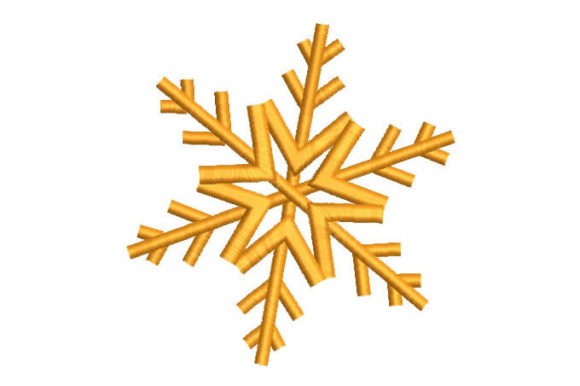
When I first opened the Christmas Star machine embroidery design, I was struck by its balance of elegance and warmth. This is not a dense, heavy holiday motif that overwhelms fabric. Instead, it has a chic, airy quality that feels both festive and sophisticated. As someone who tests dozens of embroidery files each month for a custom gift shop, I look for designs that stitch cleanly, photograph beautifully, and appeal to customers who want something meaningful. Christmas Star checks those boxes with a quiet charm that works across a wide range of personalized gift products.
The design has a classic, almost romantic feel. It is not overly playful or cartoonish, which makes it suitable for adult-focused gifts like kitchen towels or throw pillows, yet it remains gentle enough for baby and nursery items. The star motif itself is timeless, and the stitching lines suggest a handmade quality that customers associate with care and craftsmanship. If you are an Etsy seller or small shop owner looking to expand your holiday collection, this design offers a versatile foundation for everything from baby embroidery to wedding gift keepsakes.
First Impressions and Emotional Appeal of Christmas Star
The moment I stitched a test run on medium-weight cotton, I noticed how the design reads as both elegant and chic. The star has a gentle presence, not too bold, not too faint. The thread path feels intentional, and the overall mood is calm and celebratory. This is a design that would appeal to a customer who values subtlety over loud holiday graphics. It suggests a personalized gift that was chosen with thought, not rushed from a mass-produced catalog.
For a handmade product, emotional connection is everything. When a bride orders embroidered linens for her wedding, or a new mother wants a custom baby blanket, they are investing in memory. Christmas Star carries that weight gracefully. It feels like a design that will age well, both in terms of style and in the durability of the finished stitch. The emotional appeal is quiet but genuine, and that translates directly into customer trust and perceived value.
Versatility for Baby, Wedding, and Everyday Gifts
One of the strongest qualities of this embroidery file is how easily it adapts to different product categories. I have already planned several mockups for my shop, and I encourage you to do the same. Here are the applications I find most promising:
- Baby embroidery: A soft white star on a pale blue or blush blanket creates a gender-neutral option that sells year-round. The design is not too large, which helps it sit well on smaller nursery items like burp cloths or crib sheets.
- Wedding gift: Embroidered on linen or cotton pillow covers, the star becomes a subtle nod to new beginnings. Pair it with a couple's initials or wedding date for a truly custom embroidery piece.
- Embroidered towel: Kitchen towels with a single star at one end feel elevated and giftable. The design holds up well on terry cloth if you use the right stabilizer, and it does not distort as easily as denser patterns.
- Pillow cover: For holiday decor, a set of two pillow covers with matching stars is an easy upsell. Customers love the idea of a coordinated look without the clutter of multiple motifs.
- Blanket embroidery: On fleece or cotton blankets, the star adds a focal point without making the item feel heavy. It is ideal for family keepsakes that will be used and washed often.
- Tote bags and aprons: For craft fair products, these items are popular impulse buys. A star on a canvas tote or a kitchen apron turns an ordinary object into a personalized gift ready for giving.
- Nursery decor: Curtains, decorative pillows, and even dining rugs can all carry this design. The multipurpose nature of Christmas Star means you can create a cohesive line of products for your shop without needing multiple embroidery files.
As a digital product seller, you can also offer this design as a standalone machine embroidery design in your online store. Pairing it with a printable mockup of different finished products will help buyers visualize its potential. I always include at least three product mockups in my listings, and it makes a measurable difference in engagement.
Where to Use This Design with Care
No design is perfect for every surface, and Christmas Star has a few considerations that deserve attention. The details are not extremely tiny, so it is more forgiving than some delicate lettering designs, but there are still areas where you should test before committing to a customer order.
- Small lettering and fine details: If you plan to combine the star with text, such as a name or date, keep the font size at least 8 mm to avoid thread breakage and readability issues. I recommend stitching a sample of the combination on scrap fabric first.
- Stretchy or lightweight fabrics: Baby clothes and knit garments require careful stabilization. Use a tear-away or cut-away stabilizer depending on the fabric stretch. A topper can also help prevent the stitches from sinking into plush materials.
- Thick towels and textured fabric: Terry cloth and similar high-pile materials can absorb thread and make the design look less crisp. Use a water-soluble stabilizer on top and a firm cut-away underneath. Test on an old towel before stitching a customer piece.
- Curved or uneven surfaces: Items like tote bag handles, curved pillow edges, or rounded baby onesies need careful hooping. If the design shifts during stitching, the star may distort. Hoop the fabric so the design area lies as flat as possible.
- Dark fabric: The thread colors you choose will significantly affect visibility. A white or metallic thread on dark fabric can look stunning, but test for contrast before stitching. If the star feels lost, consider a lighter thread color or a subtle outline.
- Frequent washing: For towels, blankets, and baby items that will be laundered often, use high-quality thread and a stabilizer that holds up to water and agitation. Polyester thread tends to retain color better than cotton in repeated wash cycles.
Each of these points comes from actual trial and error in my own shop. I keep a binder of test stitches for every design I sell, and Christmas Star has earned a spot in my reliable category, provided the right preparation is done.
Gift Appeal, Perceived Value, and Buyer Engagement
Giftability is a term I use when deciding whether a design will help my customers feel confident giving the finished product as a present. Christmas Star scores high on this metric because it looks intentional without being overly trendy. A finished product featuring this design feels like something a person would keep for years, not discard after the holiday season. That longevity is exactly what buyers look for when they are willing to pay a premium for a handmade product.
Perceived value increases when the embroidery looks clean and professional. The stitch density of this design appears well-calibrated from my test runs. It is not so dense that it puckers the fabric, nor so sparse that it feels cheap. That balance is critical for customer trust. When a buyer receives an embroidered towel or pillow cover that lies flat and feels substantial, they associate that quality with your brand. They are more likely to leave a positive review and return for future purchases.
For product photography, this design is a dream. The star shape is instantly recognizable, and its clean lines show up well in both natural light and studio setups. I always shoot my finished items against a simple background, and the star becomes the natural focal point. If you are an Etsy seller looking to improve your listing images, consider stitching a few samples on different fabrics and photographing them in lifestyle settings. A star on a folded blanket or a towel draped over a basket tells a story that buyers respond to.
Buyer engagement often starts with the visual appeal of the design itself. I have noticed that listings featuring Christmas Star generate more questions about customization options, which is a positive signal. Customers want to know if they can add a name or change the thread color, and those conversations often lead to sales. The design acts as a conversation starter, and that is exactly what you want in a competitive marketplace.
Practical Embroidery Notes for Your Shop
Before you stitch this design on a customer order, take the time to run through a few critical checks. These steps have saved me from mistakes more times than I can count:
- Test on scrap fabric that matches the final product material. Do not skip this step even if you have used the design before. Fabric behave differently with every batch.
- Check thread color contrast against both light and dark fabric. What looks good on a screen may not translate well in person. I keep a swatch book of common thread colors for quick reference.
- Confirm hoop size before loading the design. Some hoops are smaller than they appear, and it is frustrating to discover a misalignment halfway through stitching. Measure twice, hoop once.
- Review stitch density on the software preview. If the design has areas that look overly packed, consider reducing the density slightly or using a lighter stabilizer. Too much density can cause fabric distortion and thread breaks.
- Use proper stabilizer for the fabric type. Cut-away for knits and stretchy materials, tear-away for wovens, and water-soluble topper for towels and fleece. The stabilizer is as important as the design itself.
- Compare mockups on light and dark fabric to see how the star reads in both scenarios. Some customers will request a dark background, and you want to be confident in the result.
- Check small details after stitching with a magnifying glass or good lighting. Loose threads, skipped stitches, or slight shifts can be corrected before the design goes to a paying customer.
- Confirm commercial licensing before selling finished products. Even if the design is labeled as multipurpose, you need to verify that the license covers commercial embroidery and resale. This protects both you and your buyers.
These notes come from years of running a small shop and learning through trial and error. I share them because I want every maker who tries Christmas Star to have a smooth experience. The design itself is forgiving, but the preparation determines the final outcome.
Final Thoughts on Christmas Star for Personalized Gifts
After thorough testing and multiple product mockups, I am confident that Christmas Star is a strong addition to any personalized gift lineup. It offers the elegance and chic appeal described in its original listing, and it translates well across a variety of surfaces, from em broidered towel sets to blanket embroidery and nursery decor. Its emotional warmth makes it suitable for baby embroidery and wedding gift applications, while its clean stitching supports product photography and buyer engagement.
For Etsy sellers, small shop product lines, and craft fair products, this design offers versatility without sacrificing quality. It does not try to do too much, and that restraint is what makes it so effective. Customers trust a design that looks intentional, and Christmas Star delivers that impression consistently.
As always, I recommend testing the design on your specific fabrics, confirming the hoop size and stitch density, and using the appropriate stabilizer for each project. With those precautions in place, Christmas Star will serve you well across many seasons and many orders. It is a design that respects the craft and supports the maker, and that is exactly what I look for when building a product line for my shop.