Christmas Tree Branch: A Designer's Honest Review
First Impressions: Understated Festive Mood
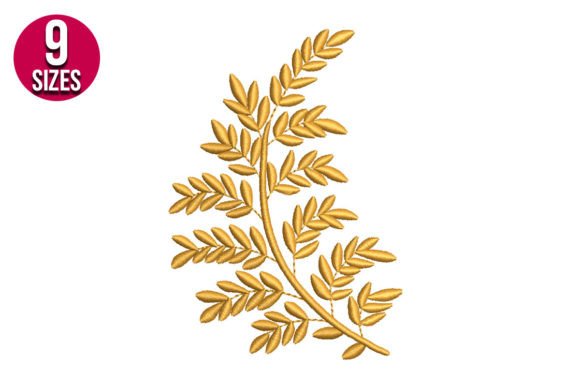
When I first opened the Christmas Tree Branch embroidery file, I was struck by how restrained it felt. So many seasonal designs scream holiday cheer with dense layers of ornaments and tinsel. This one takes a quieter approach. The branch curves naturally, carrying a few simple needle-like leaves and subtle ornament shapes that suggest the tree without showing the whole thing. It feels like a detail you would notice on a vintage linen napkin or a well-loved pillowcase. The mood it creates is warm but not overwhelming, which immediately made me think of projects where the embroidery should complement the fabric rather than dominate it.
The layout is balanced without being symmetrical. The branch sweeps from one side, leaving breathing room for the motif to sit on a pocket corner, a cuff edge, or along the hem of a tea towel. For designers and shop owners who want to offer something different from the usual full-tree designs, this piece has real potential. It works as an accent on its own or could pair with other small motifs for a custom arrangement. The visual personality is elegant and approachable. It feels right at home on a holiday gift for someone who prefers subtle decor over heavy embellishment.
Where This Design Belongs Naturally
After stitching a few test runs, I started matching the Christmas Tree Branch to specific project types. It performs beautifully on tote bag design work, especially when centered on a canvas tote or placed near the top edge of a reusable shopping bag. The branch length suits the proportions of a standard tote front panel without crowding. On sweatshirt embroidery, the design sits nicely on the left chest or along the hemline. The scale feels intentional rather than like a leftover element.
I also tested it on a baby embroidery project. The simple branch form works well for a holiday-themed onesie or romper, where parents appreciate festive touches that are not too busy. The same goes for personalized gift items like kitchen towels, aprons, and pillow covers. The design elevates the product without overpowering the fabric texture. For Etsy seller shops that focus on handmade product lines, this is the kind of versatile asset that can appear across a whole holiday collection. You can stitch it on napkins, add it to a set of coasters, or use it as a repeating element along a table runner.
Real Case: Preparing a Holiday Tote Bag
Let me walk through a scenario that feels true to how most small shop owners would use this design. I was getting ready for a holiday market and wanted a few custom apparel pieces and accessory items that would stand out without requiring hours of digitizing. I decided to use the Christmas Tree Branch on a medium-weight canvas tote bag. The bag was natural beige, and I chose a deep forest green thread with a single red accent for the small ornament.
I hooped the tote with a cutaway stabilizer to keep the fabric steady during stitching. The design ran cleanly through the machine. The satin stitches stayed crisp, and the fill stitch areas held their shape without puckering. After finishing, I held the bag up and immediately thought about how well it would photograph for printable mockup images. The branch has enough detail to look high-value but is simple enough to read clearly in a thumbnail. Customers at the market responded well to it. Several people asked if the bag was available in other colors. That is always a good sign that the design works as a product foundation.
Performance on Custom Apparel and Soft Goods
I recommend testing the Christmas Tree Branch on a few fabric types before committing to a production run. On cotton sweatshirts and t-shirts, the stitch density feels appropriate. The design does not create a stiff patch effect if you use the right stabilizer. On lighter fabrics like linen napkins or cotton voile, the branch still holds its shape well, though I would use a tear-away stabilizer for thin material to avoid pull distortion. For embroidered patch projects, the design fills nicely and trims cleanly around the edges. If you plan to sell patches with this motif, the satin stitch border works well for a clean finish.
On baby clothes and onesies, the branch runs smoothly as long as you do not hoop too tightly. The design size fits a standard 4x4 hoop comfortably, which opens up a lot of product possibilities. I also tried it on a cap using a curved hoop setup. The design follows a cap crown well when placed off-center. The branch orientation lends itself to asymmetrical layouts, which is often more flattering on curved surfaces than centered motifs.
Where to Use This Design with Caution
No design is perfect for every situation, and the Christmas Tree Branch has a few areas where you should pay close attention. The small ornament details and thin branch tips require a stable hoop setup. If you stretch the fabric too much, those narrow stitch sections can distort. On stretchy fabric like ribbed cuffs or jersey knit, use a flexible stabilizer or even a water-soluble topping to keep the stitches from sinking into the fabric. I learned this the hard way on a test run with a stretchy sweatshirt cuff and had to redo the piece.
For dark fabric, choose thread colors that stand out clearly. The design uses a moderate amount of detail, and dark backgrounds can swallow the thinner bits if the thread contrast is low. A metallic gold or bright white thread makes the branch pop on navy or black fabric. On textured fabrics like linen slub or boucle, the nuance of the branch shape can get lost. I suggest testing on a scrap first to see how much detail remains visible. The same caution applies to layered garments like jackets with thick seams. Make sure the hoop area lies flat and that no seam ridge interferes with the stitching.
How It Affects Product Value and Customer Trust
From a business perspective, the Christmas Tree Branch adds a layer of sophistication to your product lineup. When customers see a thoughtful, well-stitched design, they perceive higher quality and are more willing to pay a premium. For small shop product owners, this design offers a way to create handmade product pieces that feel curated rather than mass-produced. The branch motif reads as something you chose with intention, not a random seasonal graphic.
In terms of brand consistency, the design fits a minimalist or rustic brand voice easily. If you sell digital embroidery file assets, this is the kind of design that other crafters will want for their own shops because it works across so many item types. The finished product looks professional enough to gift to clients or include in holiday packages for corporate orders. The giftability factor is high. A tea towel or pillow cover with this design feels personal without being overly sentimental. It strikes a balance that many shoppers look for during the holiday season.
Practical Designer Notes Before You Stitch
- Test on scrap fabric first. This is always my first step. Use a piece of fabric similar to your final project material. Run the design once and check the stitch alignment, coverage, and tension. Adjust your thread colors and stabilizer choice based on what you see.
- Check thread color contrast. The branch design relies on subtle shape changes to read well. If your thread and fabric are too close in value, the branch will blend in and lose its definition. Test a light, medium, and dark thread option before settling on your final palette.
- Review stitch density in your software. The design uses a mix of satin stitch elements and fill stitch areas. Make sure the density is appropriate for your fabric weight. Dense designs on thin fabric can cause puckering. If needed, reduce density slightly for lightweight materials.
- Confirm hoop size. Most embroidery machines handle this design within a standard 4x4 hoop. If you use a smaller hoop, check that the design scales down well. I found that scaling below 70 percent started to compress the branch detail too much for my taste.
- Inspect small details. Look at the points where the branch tapers and where ornaments meet the branch line. These areas need clean stitching to look professional. If your machine has a tendency to skip narrow sections, adjust the underlay or slow the stitch speed.
- Test in black and white mockups. Before stitching a full production run, view the design in grayscale. This helps you see whether the shape reads clearly without color cues. If it looks muddy in black and white, the stitch design may need a different thread approach.
- Use proper stabilizer. For most woven cotton and linen projects, a cutaway stabilizer gives the best results. For knits and stretch fabrics, add a water-soluble topping to keep the stitches visible on top of the fabric nap.
- Consider licensing. If you plan to sell finished items or digital products featuring this design, confirm the license terms with the file provider. Some designers allow unlimited commercial use, while others have restrictions on production volume or require attribution. Always check before listing.
Final Thoughts for Small Shop Owners and Creatives
The Christmas Tree Branch is a thoughtful addition to any holiday embroidery lineup. It does not try to be the center of attention, but it elevates whatever it touches. For craft business owners who want to build a cohesive seasonal collection without relying on the same stock designs everyone else uses, this motif offers a fresh direction. It works on machine embroidery design projects ranging from apparel to home decor. It photographs well for digital product previews and translates cleanly into embroidery project listings on Etsy and other marketplaces.
If you run a small shop product line, consider making a few sample pieces with this design and testing them at your next craft fair or holiday market. Pay attention to how customers react to the subtlety. I think you will find that the understated approach resonates with buyers who want something refined. The branch feels like a design you would keep using season after season, not something that feels dated after one year. That kind of longevity is valuable when you are building inventory and digital assets for your business.
For apparel decorators and commercial embroidery professionals, this design is easy to recommend. It stitches cleanly, reads well on a variety of fabric backgrounds, and leaves room for personalization. Add a monogram below the branch, or combine it with a small text line for a custom gift that feels complete. The possibilities are broad enough that you can use the motif across multiple product categories without repeating the same placement every time.
Before you start production, take the time to dial in your thread selection and stabilizer choice. A few test runs will save you from wasted materials and disappointed customers. Once you have your setup dialed, the Christmas Tree Branch will deliver consistent results that reflect well on your brand. It is the kind of design that quietly proves its worth through the quality of the finished work.